

Lychee in Hawaii
June marks the beginning of lychee’s peak season in Hawaii. Lychee (Litchi chinensis), also spelled litchi, is a popular tree in Hawaii because of its delicious fruit. Lychee originated in southern China, where it has been cultivated for at least 2,000 years. The first lychee plant brought to Hawaii was imported from China in 1873 and became known as the “Afong” tree. It was originally believed to be the Chinese variety ‘Kwai Mi’ (also spelled ‘Kwai Mei’), but it was later identified as ‘Tai So’ (or ‘Tai Tso’). Today, the lychee varieties most commonly recommended for Hawaii are ‘Groff,’ ‘Kaimana,’ and ‘Kwai Mi.’ While ‘Kwai Mi’ originated in China, both ‘Groff’ and ‘Kaimana’ are seedling selections developed in Hawaii from the Chinese variety ‘Hak Ip.’ Compared with ‘Hak Ip,’ ‘Kaimana’ produces fruit earlier and yields heavier crops.
(Source: UH CTAHR)
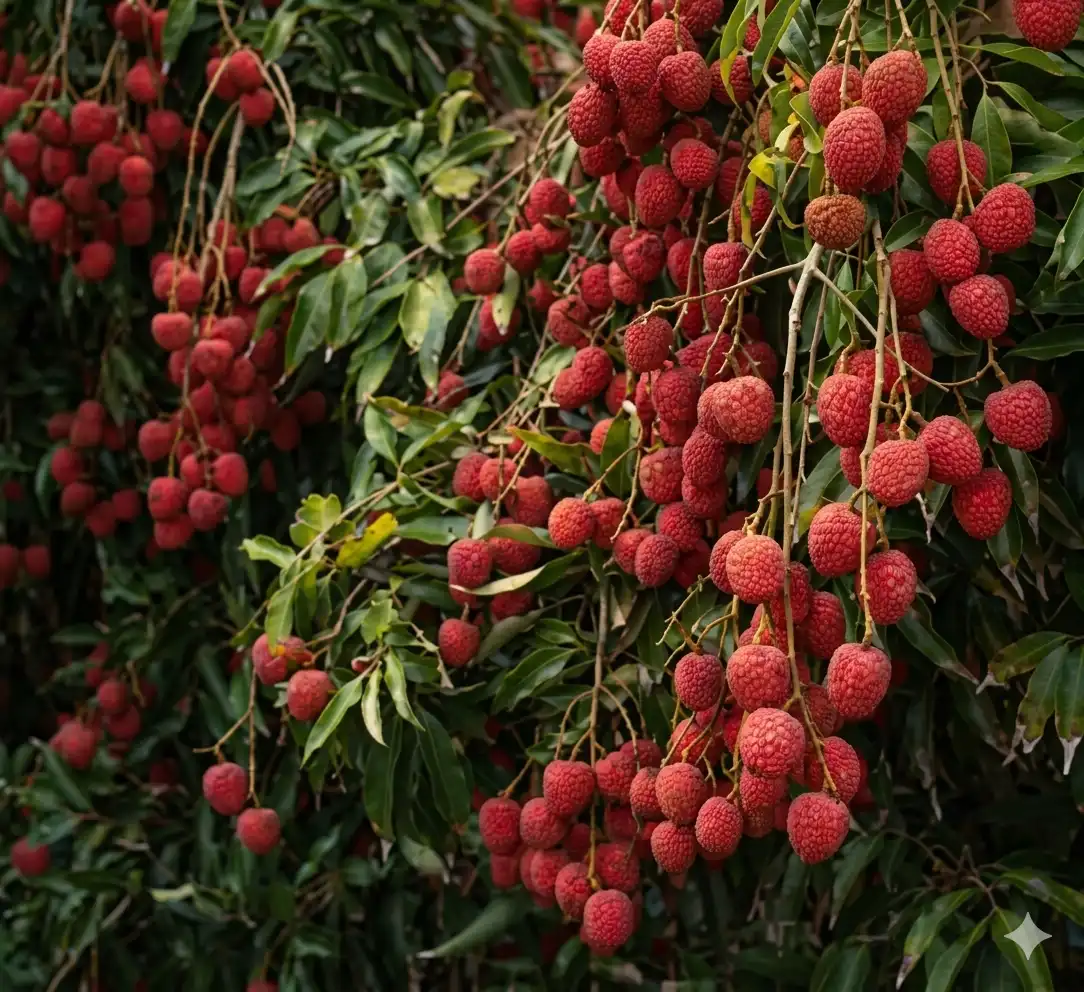
Lychee, Litchi chinensis Sonn
Source: UH CTAHR
With its natural sweetness, lychee can be a healthier alternative to treats made with refined sugar.
Growing Lychee
In Hawaii, Lychee trees can grow from sea level up to about 2,000 feet (610 m) in elevation and adapt well to many soil types. Areas receiving 60–140 inches (152–356 cm) of annual rainfall are generally suitable for lychee production, although irrigation allows the trees to thrive in drier regions as well. Lychee yields in Hawaii are often variable and unpredictable because excessively wet weather from October through December can interfere with flowering and fruit production. Among the commonly grown varieties, ‘Kwai Mi’ does not produce fruit consistently in Hawaii and typically matures in May or June. ‘Groff’ bears fruit somewhat more regularly and matures later in the season, usually from late August through September. ‘Kaimana’ generally fruits from mid-June through July and, like ‘Groff,’ is known for producing relatively heavy crops compared with other lychee varieties grown in Hawaii. (Source: UH CTAHR)
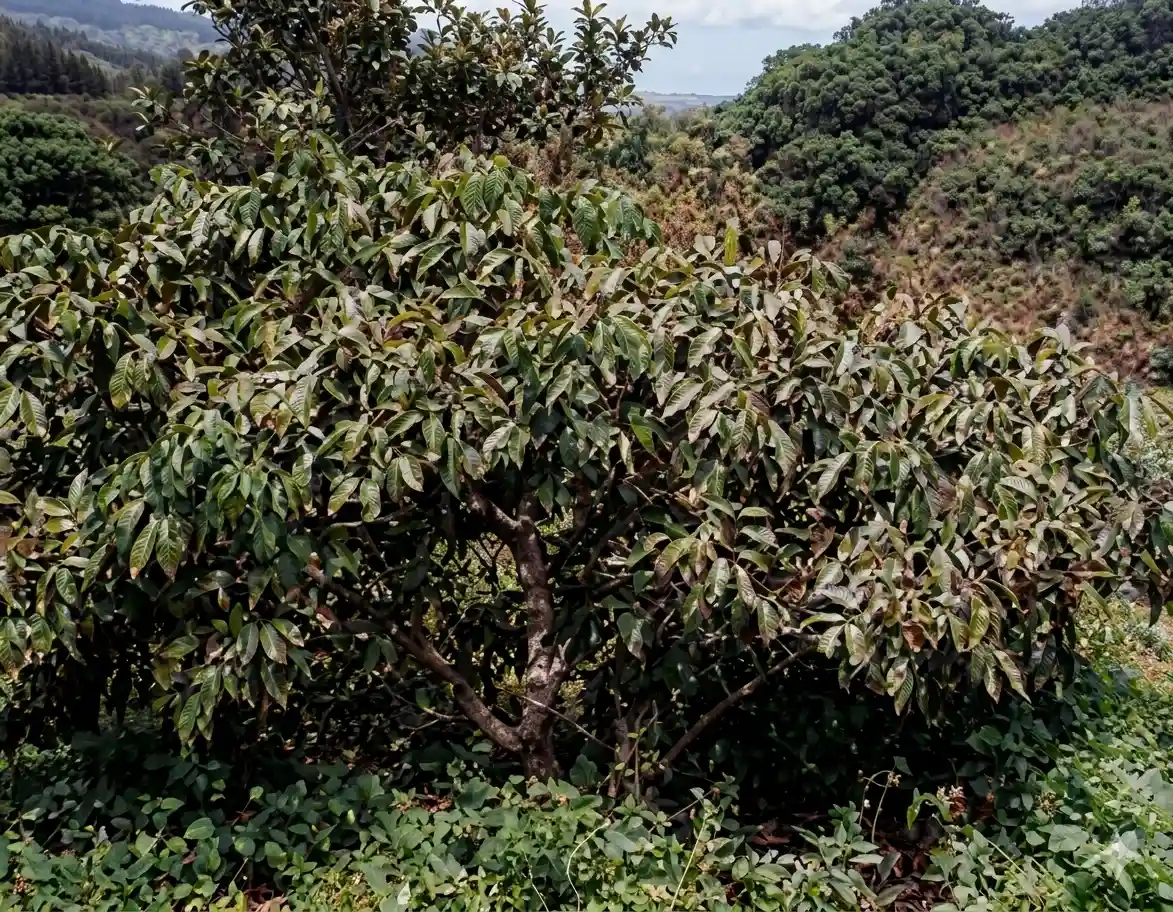
Kaimana Tree
Source: UH CTAHR
Lychee Nutrition
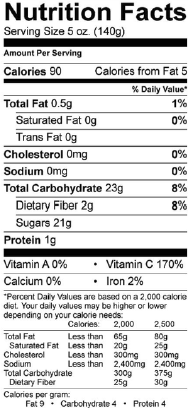
Lychee Nutrition Facts
Source: UH CTAHR Pacific Food Guide
Lychee Nutrition
Lychee is an excellent source of vitamin C, which supports a healthy immune system. It also contains B vitamins, including thiamin, niacin, and folate, which help the body convert food into energy. With its natural sweetness, lychee can be a healthier alternative to treats made with refined sugar.
(Source: UH CTAHR Pacific Food Guide and Kokua Hawaii Foundation)
Selecting and Storing Lychee
When selecting lychee, choose ripe fruits that are clean and reddish-pink in color. The fruit should be free of bruises, skin tears, or signs of insect damage. Avoid any fruit that is wet, soft, or cracked.
Keep in mind that lychee does not continue to ripen after harvest, so it must fully ripen on the tree before picking. Partially ripe fruit can be stored at room temperature, while fully ripe lychee should be kept in a cool place. For longer storage, lychee can be refrigerated in sealed containers or plastic bags for up to 10 days.
(Source: UH CTAHR Pacific Food Guide and Kokua Hawaii Foundation)
Preparing Lychee
Preparing Lychee
When preparing lychee, start by washing the fruit thoroughly under cool, running water. Next, peel away the outer skin and remove the seed before serving. The inedible skins and seeds can be set aside for composting.
Lychee can be enjoyed fresh as a snack or added to fruit salads.
Source: (Source: UH CTAHR Pacific Food Guide and Kokua Hawaii Foundation)
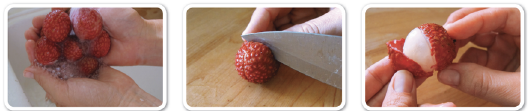
Lychee Preparation Steps
Source: Kokua Hawaii Foundation
Sign up for this newsletter by emailing: [email protected]
Buy Local, Eat Local, Stay Local